Before I was running kitchens, I spent years immersed in sustainable agriculture – learning how food actually grows, how ecosystems function, and, most importantly, how long good things take. That mindset never left me when I became a chef. If anything, it sharpened how I think about ingredients: not just as products, but as living systems with timelines, limits, and potential.
That’s especially true right now as we head into ramp season.
Ramps are one of those ingredients that get a lot of hype – and not always the right kind. They take 5–7 years to grow to seed-bearing age, which already tells you something about how carefully they should be treated. While they do produce seeds, ramps actually spread more effectively through rhizome and bulb splitting (essentially cloning themselves). Once established, a healthy patch can regenerate and expand in as little as three years – but only if it’s respected.
This year, we’ve made a small but meaningful shift in how we handle them.
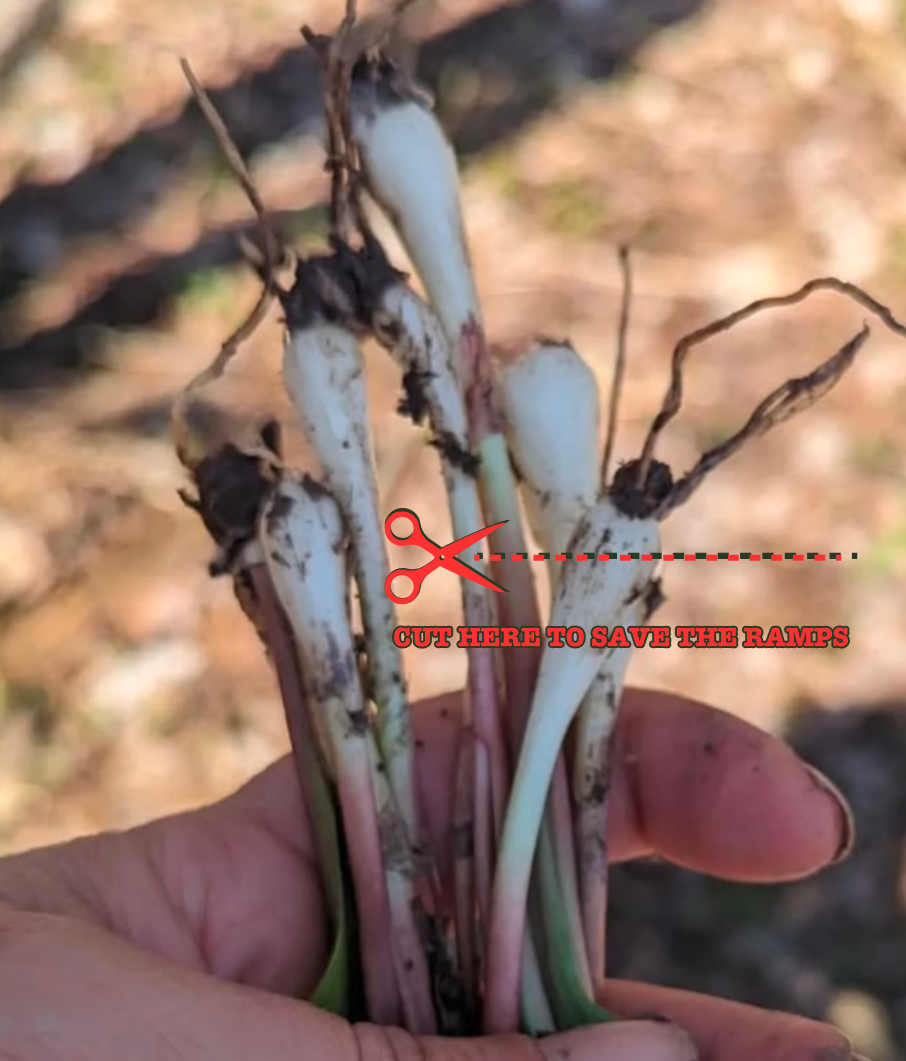
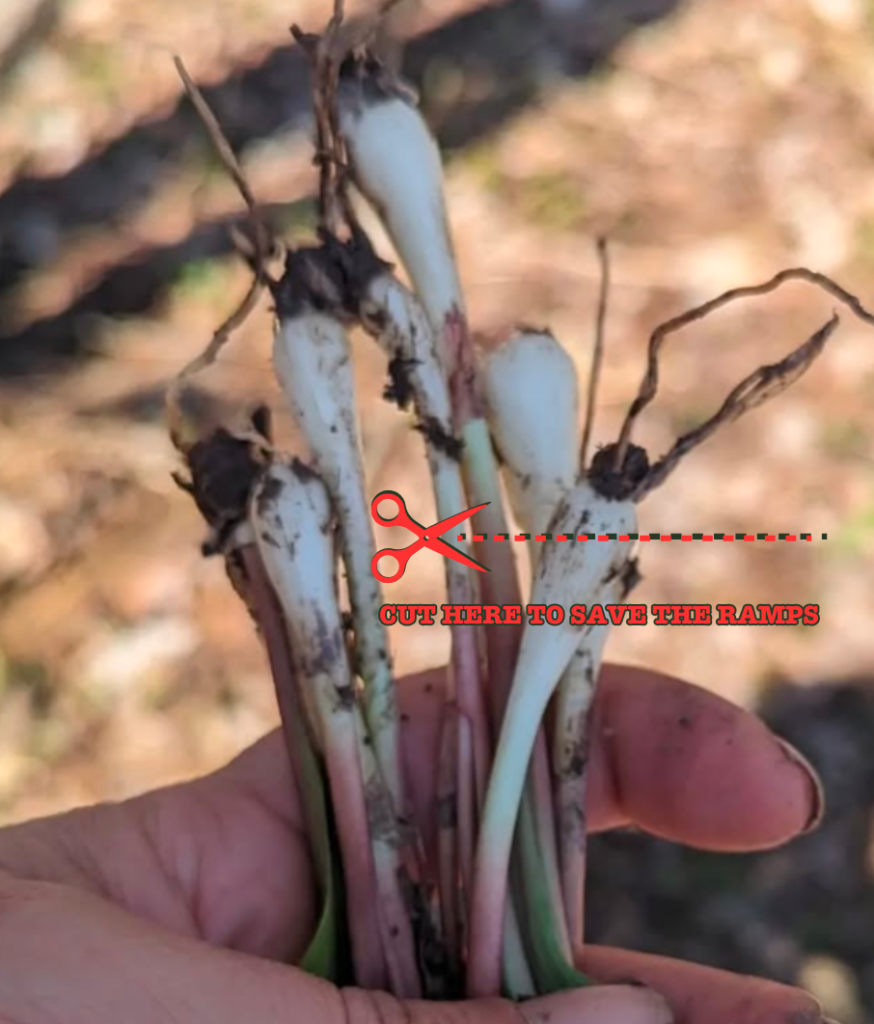
Because of a change in supplier, we’ll be receiving our ramps with roots intact. Instead of treating that as waste, we’re treating it as an opportunity. I’ll be clipping the root ends off each ramp and replanting them, because even that small, tough base with a bit of root can regenerate into a mature plant in 1–2 years.
We’re fortunate to have the right conditions for this: lightly shaded areas under trees, with the kind of nutrient-rich, damp soil ramps thrive in. In other words, we’re not just using ramps – we’re starting to grow them.
And that’s the goal: to establish our own patch over time, built from what would otherwise be discarded.
Ramps are incredibly hardy, stubborn little plants.
They can handle more than people think – but they can’t handle being overharvested year after year. That’s where a lot of the current conversation around them misses the point. Sustainability isn’t about avoiding ingredients; it’s about understanding them well enough to use them responsibly.
So when the ramps come in, I’ll take care of the planting first – before we even get to the pesto.
Because the long game matters.
As a bit of an adjacent note, we’ve also planted fiddleheads (ostrich ferns) in the same area. They’re not ready yet – still too small to harvest at 3 years old – but they’re another example of thinking ahead. They are surrounded by “seeded” (spored) areas of Stump Puffball – a wild and delicious fall mushroom. And for anyone keeping score at home: yes, asparagus and rhubarb also take 3-5 years to establish properly. Good food, real food, rarely works on a short timeline.
This is what sustainable cooking looks like in practice. Not just sourcing better – but building systems, however small, that give something back.
~ Chef Alicia